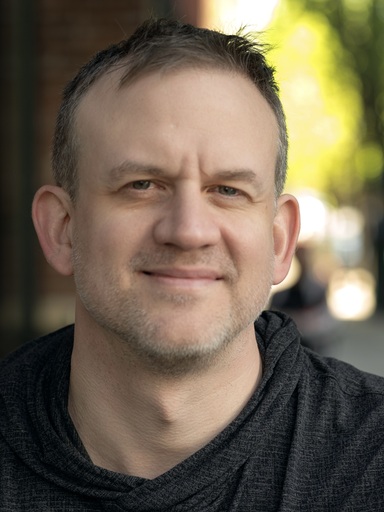
Daniel Menely
LMHC, BCC
Languages
English
Availability
Monday-Friday
Insurance Accepted
Yes
I use a service that submits insurance claims for you. Most clients get 40-90% reimbursement directly to their accounts—no paperwork hassle.
Payment Methods
- Credit cards
Qualifications
- Degree: MA, New York University; BA, Vassar
- Field: Counseling in Mental Health and Wellness
- Year graduated: 2018
- Practice since: 2018
- License states: AZ, CA, CO, CT, FL, MA, MD, MT, NJ, NY, OR, PA, TX, VA, WI
About
Most arguments do not stay about what started them. A simple complaint turns into something else. A concern is raised. It lands as criticism. Defensiveness appears. Someone presses harder. Someone shuts down. Soon the issue disappears and it becomes a fight about the partner. Different topic. Same pattern.
Most couples reading this recognize the conversation.
What began as a complaint becomes an argument about the partner’s character or willingness to change. Many couples try to fix this by dissecting the argument, replaying who said what and why. That rarely changes the next fight. The real problem is the pattern the relationship keeps running.
Those patterns show up in the places couples actually fight: money, sex, parenting, division of labor, in-laws, betrayal, or resentment.
Instead of endlessly litigating the last argument, we identify the sequence taking over: how conflict begins, how it escalates, and why repair attempts fail. When heart rate rises and the body shifts into defense, problem-solving turns into a fight.
Once the pattern becomes visible, it can be interrupted.
Couples learn practical skills and protocols for raising concerns without triggering escalation, responding without defensiveness, pausing when flooded, and repairing before resentment sets in.
Cycles often include one partner pressing while the other withdraws, feeling unseen or dismissed, the belief a partner cannot change, betrayal that has shattered trust, or sexual distance loaded with resentment.
Repair matters, but repair alone is not enough. Strong relationships also build goodwill. Couples develop habits of acknowledgment, rituals of connection, and protected time that strengthen the emotional bank account long before conflict appears.
I trained at NYU and taught there for more than 15 years before focusing fully on clinical practice. I work with couples through secure telehealth across multiple states.
Special populations
Premarital, Empty-Nesters, Professionals, Mid-Life Transitions, LGBTQ+, and Business Leaders.
Services
- Online Therapy
- Individual
- Couples
- Family
- Mediation
- Coaching
- Marathon/Intensives
Specialties
- Affairs
- Anger
- Anxiety
- Depression
- Emotional Abuse
- Grief
- LGBTQIA2S+
- Parenting
- Pre Marital
- PTSD
- Sexual Dysfunction
- Substance Abuse
Specialized Ages
- Adults
- Elders